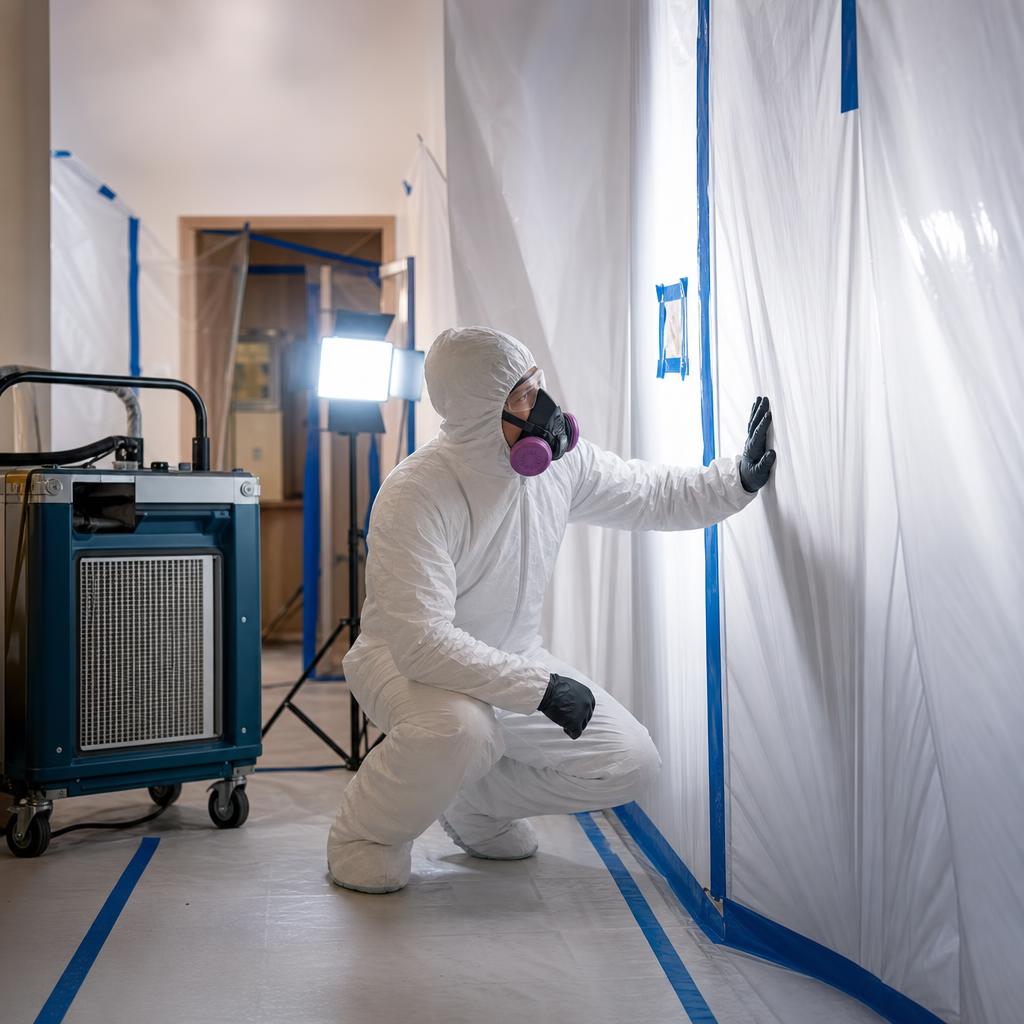
What to Know About Sewage Cleanup & Extraction
A sewage backup may involve foul odor, cloudy or dark water, toilet overflow, floor drains backing up, or water appearing after a sewer line or septic problem. Even a small amount can contaminate flooring, baseboards, contents, and lower wall sections. Assume the water is unsafe until its source and category have been evaluated; children, pets, and unprotected occupants should stay away.
- Immediate biohazard response
- Safe containment and extraction
- Hospital-grade sanitization
- Proper disposal of contaminated materials
- Odor control
Our Proven Process
1
Containment
Isolating the affected area to protect the rest of the building.
2
Extraction
Safely pumping out solid and liquid waste.
3
Disposal
Removing porous materials that cannot be restored.
4
Sanitization
Deep cleaning and disinfecting all structural elements.
How We Approach the Work
We isolate the affected area, protect clean parts of the building, and remove contaminated water and materials with appropriate controls. Porous items that cannot be reliably cleaned are separated for disposal. Hard surfaces and structural elements are cleaned and treated, while drying addresses moisture left behind. The sequence is designed to limit cross-contamination, not merely make the area smell better.
Property Considerations
Bathrooms, laundry rooms, crawl spaces, finished basements, restaurants, and multi-unit buildings can have different plumbing paths and access challenges. Sewage may travel beneath floating floors, into wall cavities, or through shared corridors. Contents must be sorted by material and exposure, and HVAC pathways may need consideration when the affected area is near a return or air handler.
What Owners Can Do Safely
Do not touch sewage, use a household vacuum, or mix disinfectants. Keep people and pets out, avoid electrical equipment in wet areas, and shut off the source only if it can be done safely. Close doors to limit traffic, photograph the area without entering it, and call a qualified cleanup team rather than attempting to lift contaminated flooring or drywall.
A Clearer Path Forward
Safe sewage cleanup depends on controlling exposure and making honest material decisions. We can explain the boundaries of the affected area, the items that need removal, and the cleaning and drying steps that follow. Keep records of the plumbing event and any emergency actions, and ask questions before reoccupying the space.
Helpful Planning Details
Keep a simple record of the backup location, suspected source, and rooms that may have been crossed. Do not carry exposed belongings into kitchens, bedrooms, or other clean areas. If the property is rented or shared, notify the appropriate manager and identify anyone who needs access without entering the affected zone. Reoccupancy decisions should follow cleaning and drying. Keep food, medications, toys, and personal items away from the affected route, and describe any earlier backups or plumbing work.