What to Know About Fire & Smoke Damage Restoration
After a fire, damage includes more than charred surfaces. Fine soot can settle inside cabinets and electronics, acidic residue can discolor metal, and smoke odor can remain in upholstery and porous finishes. Water from suppression may create a separate drying concern. A damaged roof, broken window, unstable ceiling, or warm wall should be treated as a safety issue rather than a cleaning project.
- Emergency board-up services
- Acidic soot removal
- Thermal fogging for odor removal
- Water damage mitigation from firefighting
- Full structural reconstruction
Our Proven Process
1
Securing
Boarding up windows and tarping roofs to protect the property.
2
Water Cleanup
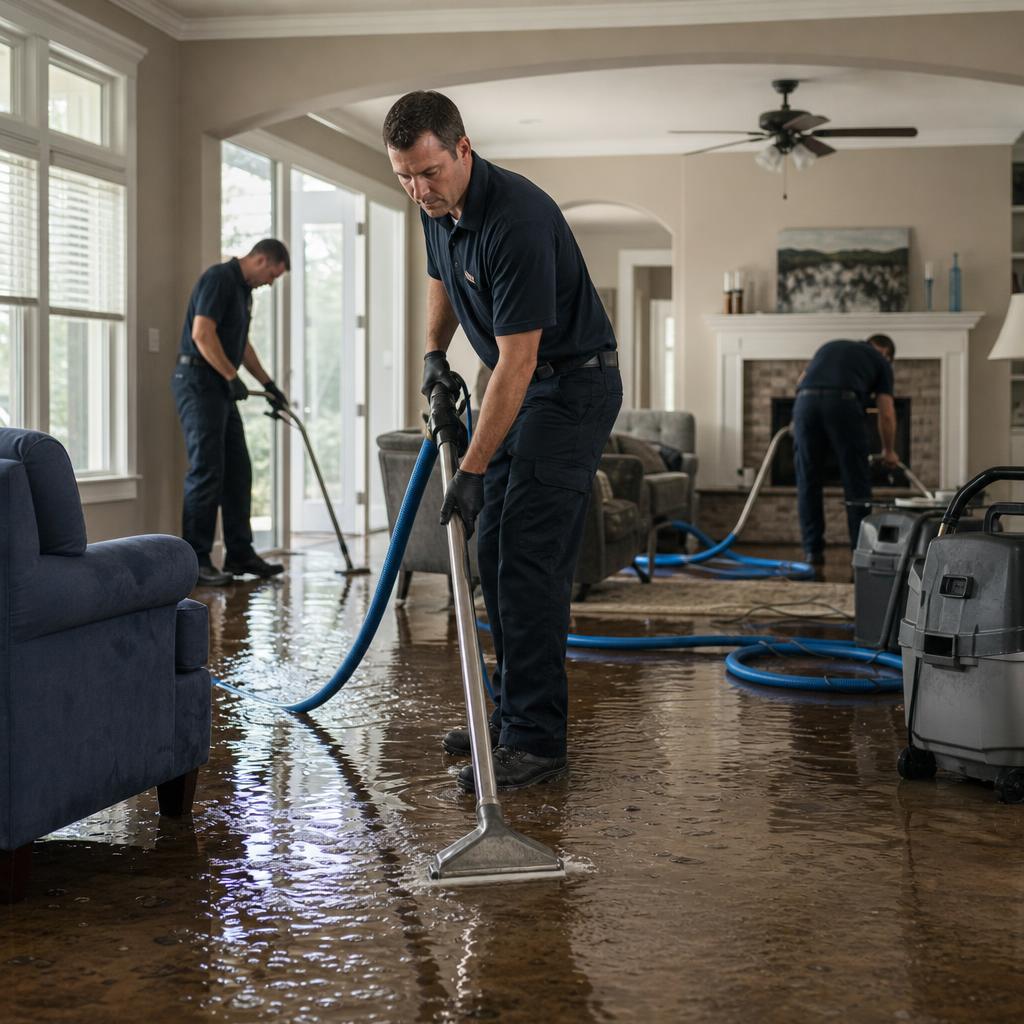
Extracting water left behind by fire hoses.
3
Soot Removal
Cleaning acidic residues from all surfaces.
4
Odor Neutralization
Using advanced techniques to permanently remove smoke smells.
How We Approach the Work
We begin by securing the building and separating fire, smoke, and water concerns. Contents and surfaces are documented, loose soot is removed with methods suited to the residue, and salvageable items are cleaned in a controlled sequence. Drying follows water extraction. Odor treatment is selected for the materials and source; fragrance alone is not a substitute for removing residue.
Property Considerations
Smoke travels through wall cavities, attics, ductwork, and shared corridors, while heat can affect framing and finishes beyond the visibly burned room. Kitchens, apartments, offices, and older homes have different contents and ventilation layouts. Electronics, textiles, books, and unfinished wood need individual evaluation before cleaning or disposal decisions are made.
What Owners Can Do Safely
Do not re-enter an unsafe structure or switch on utilities and appliances until authorized. Avoid touching soot-covered surfaces, eating exposed food, or using fans that spread residue. If safe, keep exterior openings protected from weather, photograph damage, and gather medication and essential documents only with permission. Do not wash walls before the residue and materials have been assessed.
A Clearer Path Forward
A fire loss often unfolds in stages: stabilize, document, clean, dry, and repair. We explain which issues are urgent, which contents may be recoverable, and where specialist decisions are needed. Calling early helps preserve information about the event and gives owners a clearer plan without making assumptions about the final repair scope.
Helpful Planning Details
Make a list of rooms, contents, and immediate safety concerns before cleanup begins. Keep undamaged belongings out of soot-affected paths, and do not discard damaged items until they have been photographed and discussed. Share information about fire suppression, sprinkler activation, roof openings, and utility shutoffs so water and smoke work can be sequenced properly. Avoid wiping walls or laundering smoke-exposed textiles before they are documented. Separate personal essentials only from areas confirmed safe to enter.