What to Know About Mold Remediation
Mold may appear as spotting, fuzzy growth, or a darkened patch, but a persistent earthy odor can precede visible growth. Condensation, recurring dampness, bubbling paint, and discoloration around supply lines or windows point to a moisture source. People should not disturb suspicious materials simply to identify them; spreading dust can make a small affected area harder to control.
- Thorough mold inspections
- Safe, contained removal processes
- HEPA air filtration systems
- Odor removal and sanitization
- Moisture control to prevent return
Our Proven Process
1
Assessment
Identifying mold types and the moisture source.
2
Containment
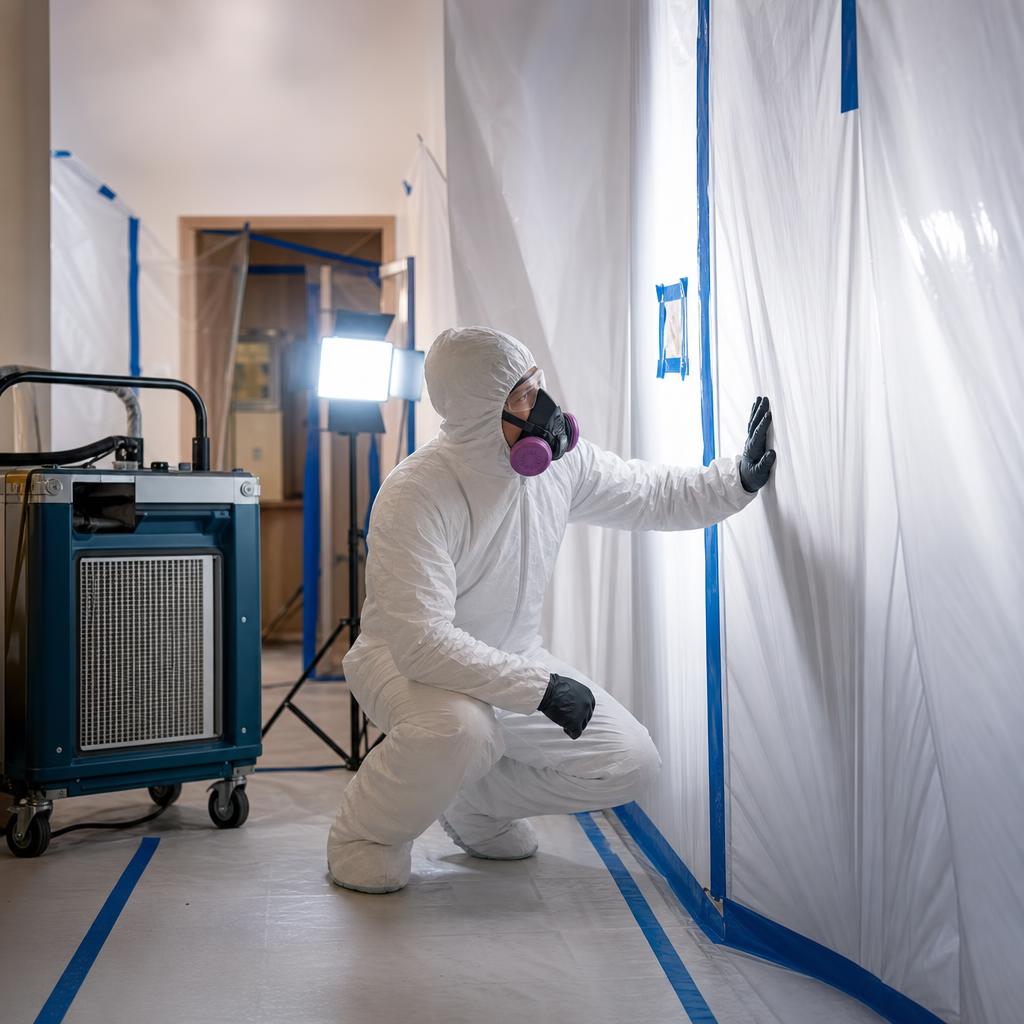
Sealing off the area to prevent spore spread.
3
Removal
Safely removing infested materials and cleaning surfaces.
4
Filtration
Scrubbing the air with HEPA filters to capture microscopic spores.
How We Approach the Work
A sound remediation plan starts with finding and correcting the moisture source. We assess the affected materials, establish work boundaries, and use containment and filtration appropriate to the area. Porous items are evaluated for cleaning or removal, while salvageable surfaces are cleaned carefully. The work area is kept separate from occupied portions of the building and checked as work progresses.
Property Considerations
Mold can hide behind cabinets, in wall cavities, under flooring, around air handlers, and in crawl spaces. Older homes, tightly furnished rooms, rental units, and businesses with shared HVAC zones may need especially thoughtful access and containment. Water-damaged contents should be considered individually; porous items and hard surfaces do not respond to the same cleaning method.
What Owners Can Do Safely
Do not brush, sand, or use a household fan on visible growth, and do not mix bleach with other cleaners. Fixing a leak matters, but opening a wall or removing contaminated material can release particles. Keep occupants away from the area, reduce unnecessary air movement, and share the history of leaks, condensation, or prior repairs so the source is not overlooked.
A Clearer Path Forward
Remediation is not just a surface treatment or a promise that mold can never return. It is a controlled effort to remove affected material, clean what is appropriate, and address moisture conditions. We describe the scope in plain language, document affected areas, and help owners decide which follow-up repairs belong in the next phase.
Helpful Planning Details
Write down when the odor or growth was first noticed and any leaks, flooding, or condensation that preceded it. Keep doors closed where practical and avoid relocating furniture through unaffected rooms. Owners should ask how containment will work, what materials are being considered for removal, and what moisture correction is needed after cleaning. Note rooms with recurring condensation and any prior attempts to paint or clean the area. That history can help distinguish a continuing source from a one-time water event.